
video
Primer: Simulating Natural Selection
by Justin Helps
Evolution and game theory visualized through programming simulations.
Why it’s worth your time
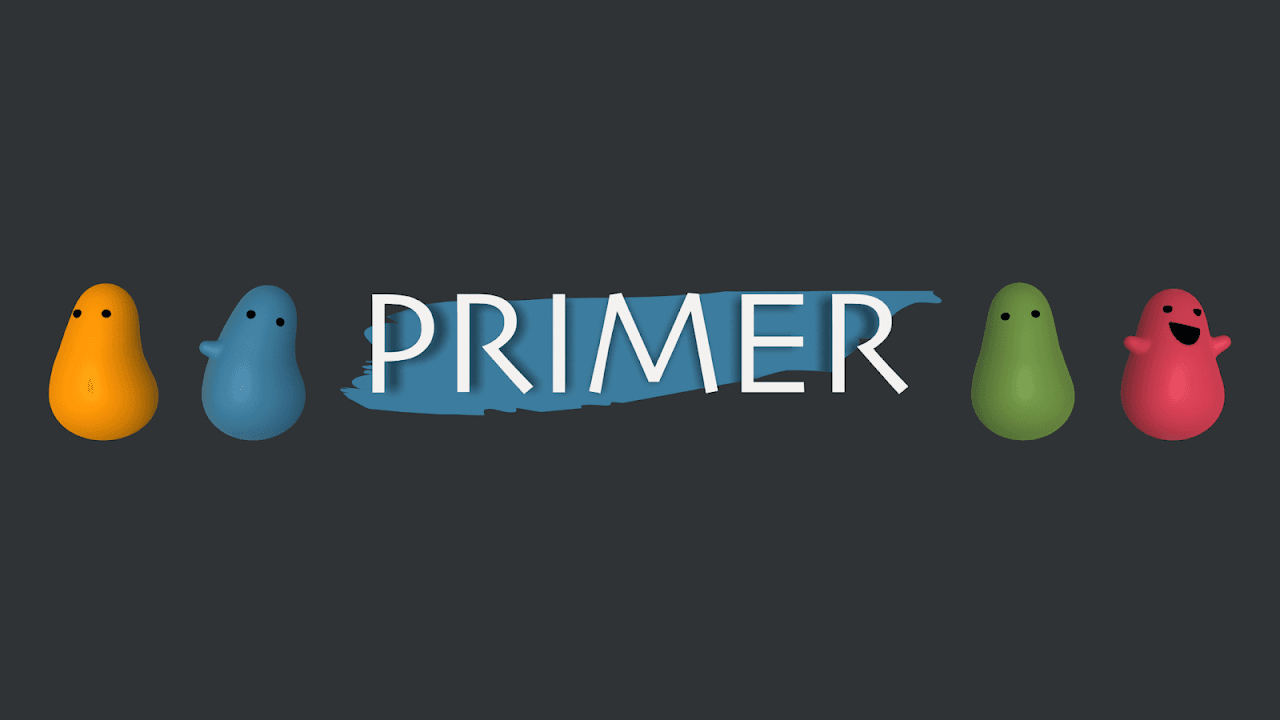
Justin Helps's Primer builds a tiny world of blob creatures that must find food each day to survive and reproduce, then lets three traits mutate — speed, size and sensing range — each with an energy cost. Watching the population change makes the core ideas of natural selection concrete: populations evolve, not individuals; what wins depends entirely on the environment; and what's good for a gene isn't necessarily good for the species. As the blobs got faster, there were fewer of them.
The best part is the honesty: Helps says more than once that the results surprised him, which is the point of running a simulation. It's ten minutes long and needs no biology. It's part of a series; later videos use the same blobs to show how aggression, altruism and cooperation can evolve.
Where to start
- Simulating Natural Selection
The video itself.
- Simulating the Evolution of Aggression
When it pays to fight over food, and when it doesn't.
- Simulating Green Beard Altruism
How a gene could favor helping others who carry it.
- Evolution Simulator
MinuteLabs' interactive version, linked from the video, to run yourself.
- The Selfish Gene
The book behind the video's point about genes and species.
About Justin Helps
Justin Helps makes Primer, a YouTube channel that explains evolution, game theory and economics through animated simulations of blob creatures.
Everything by Justin HelpsAbout this channel
Attempting to communicate the deep ideas of academic subjects.