book
Enlightenment Now
First published 2018576 pages
A data-driven case that the world is getting better despite our pessimistic intuitions.
Why it’s worth your time
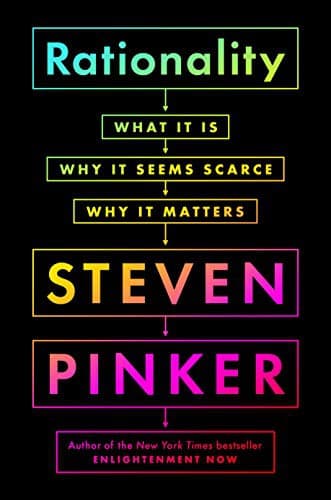
Steven Pinker's 2018 sequel to The Better Angels of Our Nature argues, against the mood of the moment, that life has been getting better for most people on almost every measure — lifespan, health, food, wealth, peace, safety, democracy, rights, knowledge and happiness — and credits Enlightenment ideals of reason, science and humanism. It's built on dozens of charts, and its best chapters are a bracing corrective to reflexive gloom.
It's also a polemic, and critics have hit back hard. Historians such as David Bell argue that Pinker flattens the Enlightenment, John Gray accuses him of scientism, others charge him with choosing the statistics that suit his conclusion, and his dismissal of existential risks, including risks from artificial intelligence, looks more debatable every year. Read it for the data, and argue with the interpretation.
Where to start
- Chapter 4: Progressophobia
Why intellectuals and news consumers alike are primed to believe things are getting worse.
- Chapter 9: Inequality
Pinker's most contested argument: that inequality matters less than poverty. Read it with his critics in mind.
- Chapter 19: Existential Threats
His case against worrying about catastrophic risks. Compare it with Superintelligence.
- Superintelligence
The book Pinker argues against on AI risk.
About Steven Pinker
Steven Pinker is a Canadian cognitive psychologist and the Johnstone Family Professor of Psychology at Harvard. His books for general readers include The Language Instinct (1994), How the Mind Works (1997), The Blank Slate (2002), The Better Angels of Our Nature (2011) and Enlightenment Now (2018).
Everything by Steven Pinker