WEEKLY DISPATCH
DeepSeek Changed the Conversation
Monday, March 9, 2026
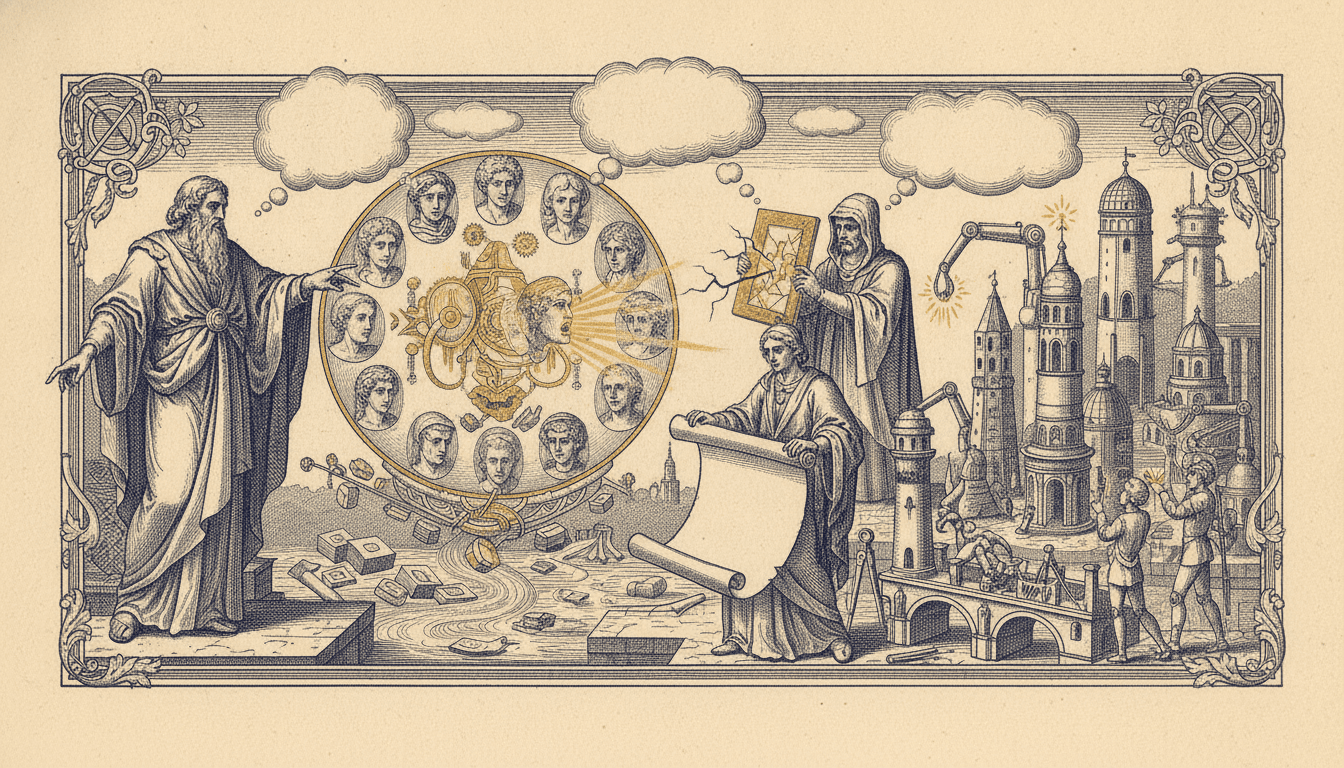
DeepSeek rattled the AI industry by doing more with less. This week, the smartest people in the field tried to figure out what that means.
The breakdown
Lex Fridman's episode with Dylan Patel and Nathan Lambert is the best single explanation of why DeepSeek matters. Patel (SemiAnalysis) and Lambert (Allen Institute for AI) break down the technical architecture — how DeepSeek achieved competitive performance with significantly less compute — and then trace the geopolitical implications: GPU export controls, US-China competition, and the economics of massive compute clusters. The episode runs long, but the section on why efficient architectures might matter more than raw scale is worth the time investment alone.
The timeline
Jack Clark's Import AI #407 covers DeepMind's assessment that AGI could arrive by 2030 — a claim that's notable less for the timeline itself and more for who's saying it. DeepMind has historically been more cautious than OpenAI in its public statements. The newsletter also covers Google's cybersecurity AI model and ByteDance's new inference system. Clark's editorial framing is what makes Import AI essential: he contextualizes each development against what it means for the field's trajectory, not just what it means for the company announcing it.
The pivot
Noah Smith's piece on AI companies pivoting from gods to products argues that the shift from "we're building AGI" to "we're building useful tools" is genuinely significant. The essay identifies five obstacles — cost, reliability, privacy, security, and UX — that AI companies must overcome to justify their massive investments. Smith's framing is useful: the question isn't whether AI is transformative, it's whether the business models can work before the money runs out.
The thread
DeepSeek demonstrated that efficiency can beat scale. DeepMind thinks AGI is close. AI companies are scrambling to build products that justify their valuations. The conversation has shifted from "will AI work?" to "who captures the value?" — and that second question is much harder.