book
The Varieties of Religious Experience
First published 1902472 pages
A psychological study of mysticism, conversion, saintliness, and religious life.
Why it’s worth your time
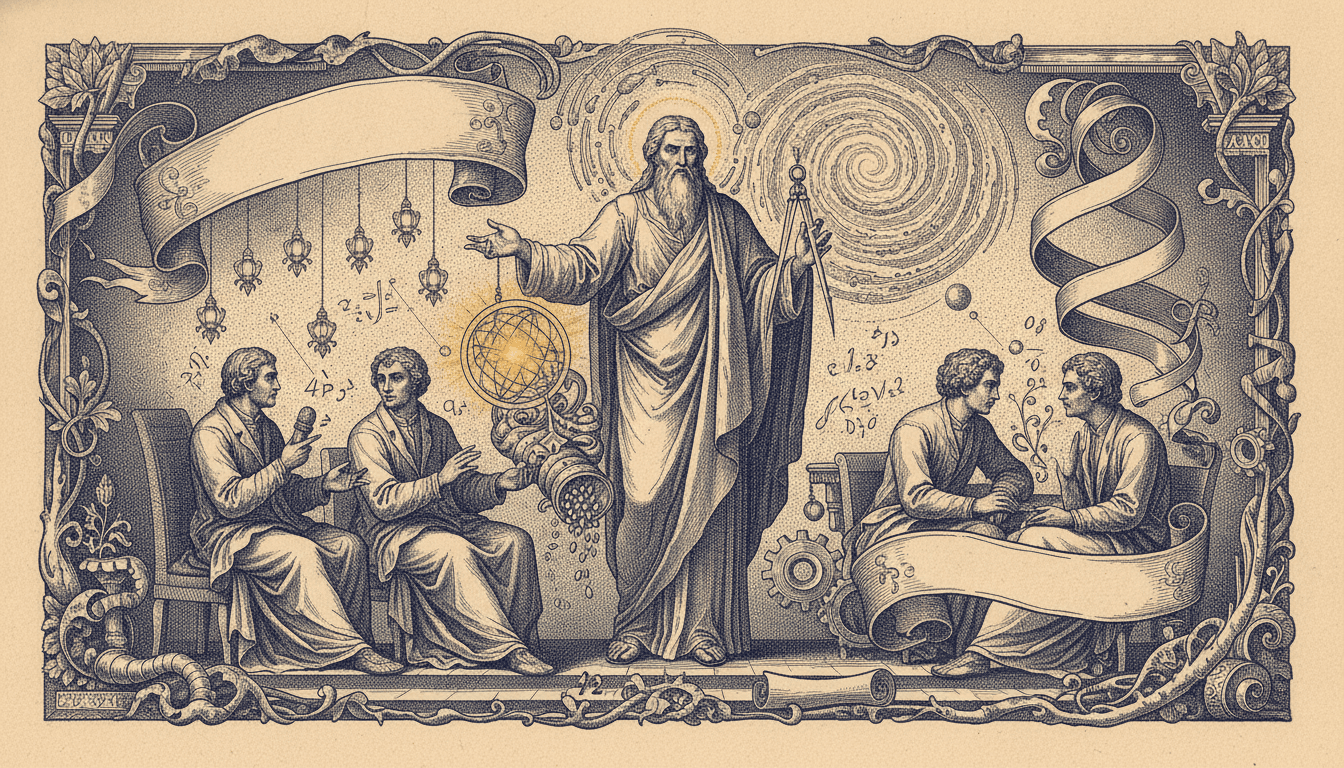
William James delivered these twenty Gifford Lectures in Edinburgh in 1901 and 1902, and they remain the classic psychological study of religion. James sets aside churches and doctrines to look at religious experience itself, mostly through first-person accounts: the cheerful "healthy-minded," the despairing "sick soul," conversion, saintliness and mysticism. He judges religion by its fruits rather than its origins, a forerunner of his pragmatism.
It's generous, curious and beautifully written, and it takes believers seriously without settling whether their experiences are true. One of the most harrowing testimonies in it, attributed to an anonymous French correspondent, is in fact James's own. You can read the lectures in any order.
Where to start
- Lectures IV and V: The Religion of Healthy-Mindedness
The optimistic temperament, which James saw as America's distinctive contribution to religion.
- Lectures VI and VII: The Sick Soul
Melancholy, despair and the sense of evil, including James's own disguised account of a breakdown.
- Lectures XVI and XVII: Mysticism
The four marks of mystical states, including ineffability, and James's experiments with nitrous oxide.
- The free Project Gutenberg text
All twenty lectures, free.
About William James
William James (1842–1910) was an American philosopher and psychologist, often called the father of American psychology, and the brother of the novelist Henry James. He trained as a physician, taught at Harvard, and became a leading figure of pragmatism.
Everything by William James