book
The Structure of Reality
Quantum mechanics, evolution, epistemology, and computation as the four pillars of reality.
Why it’s worth your time
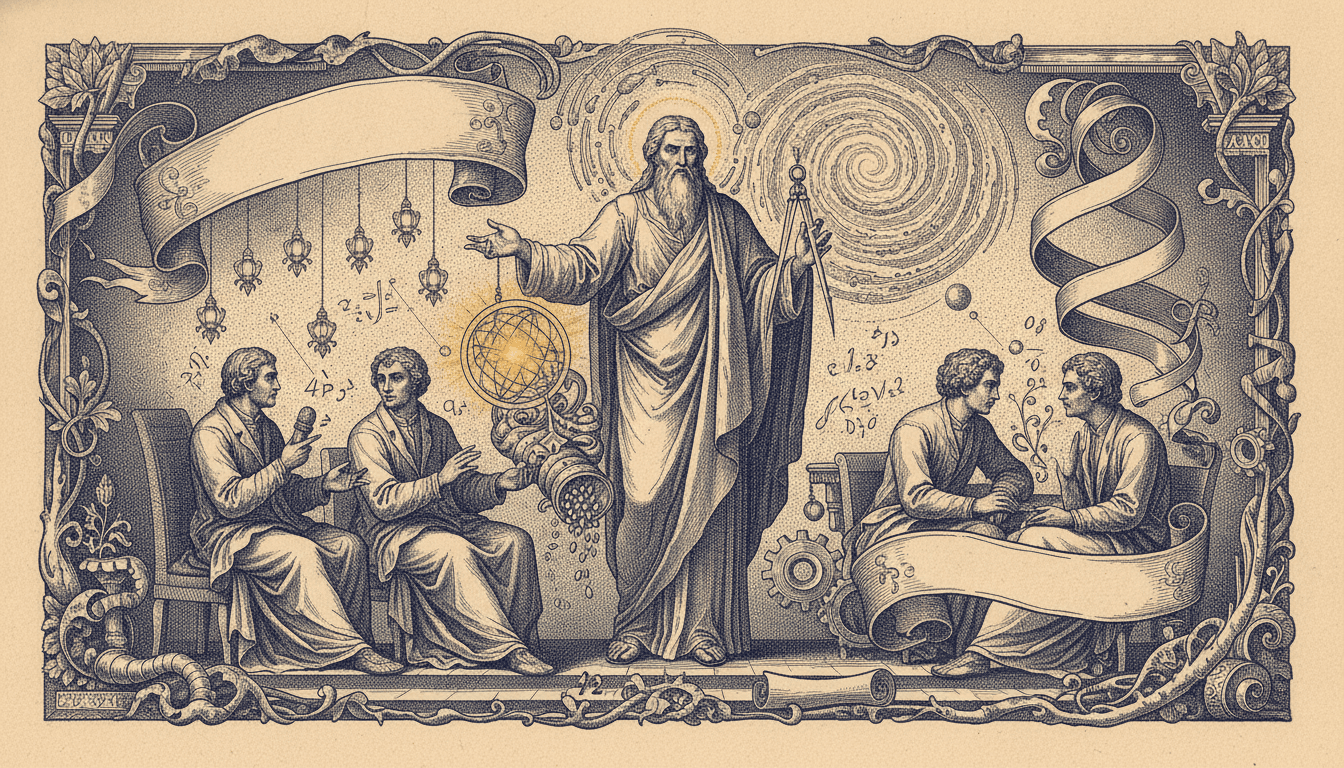
David Deutsch's book — published in 1997 as The Fabric of Reality — argues that four theories, taken together and taken literally, form the deepest explanation of the world we have: the many-worlds interpretation of quantum physics, Karl Popper's theory of knowledge, Alan Turing's theory of computation as extended to quantum computers, and Darwinian evolution in Richard Dawkins's gene's-eye version. Deutsch, an Oxford physicist often called the father of quantum computing, weaves them into a single worldview.
It's bold, original and demanding, and it takes the multiverse more seriously than almost any other popular physics book; many physicists don't accept Deutsch's reading of quantum mechanics. Reviewers found it exhilarating but not always clear about how the strands fit together. His later book, The Beginning of Infinity (2011), develops the same ideas more accessibly.
Where to start
- Chapter 2: Shadows
The double-slit experiment and Deutsch's argument that it reveals parallel universes. The book's foundation.
- Chapter 7: A Conversation About Justification
A dialogue with a "crypto-inductivist" about Popper and the problem of induction.
- Chapter 9: Quantum Computers
Why quantum computation works, from one of its inventors.
- Chapter 13: The Four Strands
How the four theories fit together, in Deutsch's own summary.
About David Deutsch
David Deutsch is a British physicist at the University of Oxford, often called the father of quantum computing for his description of a quantum Turing machine. His books include The Fabric of Reality (1997) and The Beginning of Infinity (2011).
Everything by David Deutsch