book
The Age of Surveillance Capitalism
First published 2018704 pages
How tech companies extract and commodify human experience for profit.
Why it’s worth your time
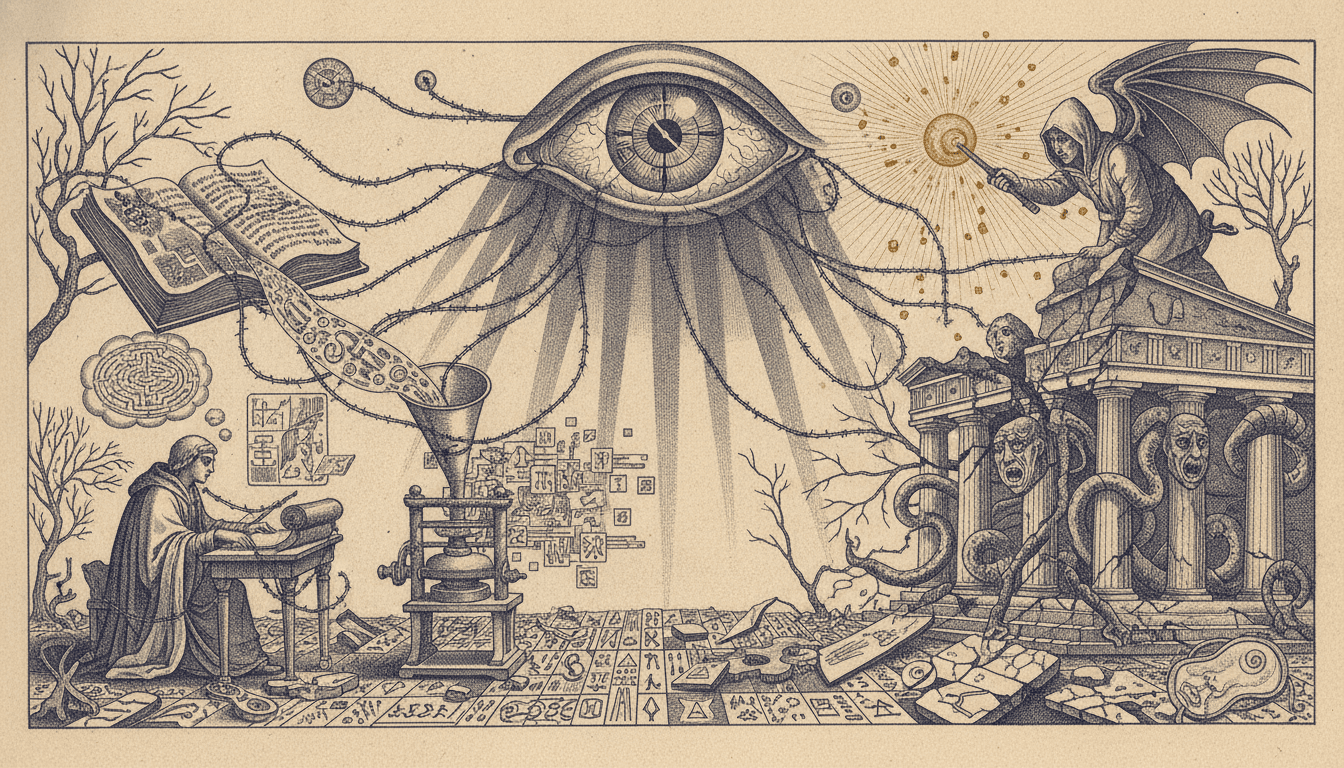
Shoshana Zuboff, a professor emerita at Harvard Business School, argues that Google, and then Facebook and much of the tech industry, invented a new economic logic: human experience is treated as free raw material, turned into behavioral data, and used to predict and ultimately shape what we do — products sold not to us but to advertisers and others who want to influence us. She calls the resulting power "instrumentarian" and argues that it threatens human autonomy and democracy.
It's the book that gave a name to the business model, and its account of how Google discovered the value of "behavioral surplus" is essential. It's also very long, repetitive and written in a dense, coined vocabulary, and some critics argue it overstates how well this manipulation actually works. Read Part I closely and skim the rest.
Where to start
- Home or Exile in the Digital Future
The introductory chapter: the argument and Zuboff's key terms.
- The Discovery of Behavioral Surplus
How Google learned that the data left over from searches could predict behavior — the founding moment, in Zuboff's telling.
- Make Them Dance
From predicting behavior to steering it.
- Conclusion: A Coup from Above
Zuboff's political case, and what she thinks should be done.
About Shoshana Zuboff
Shoshana Zuboff is an American social psychologist and scholar, a professor emerita at Harvard Business School. Her books include In the Age of the Smart Machine and The Age of Surveillance Capitalism, which popularized the term.
Everything by Shoshana Zuboff