book
Pedagogy of the Oppressed
by Paulo Freire
First published 1970186 pages
Education as the practice of freedom — critical pedagogy's foundational text.
Why it’s worth your time
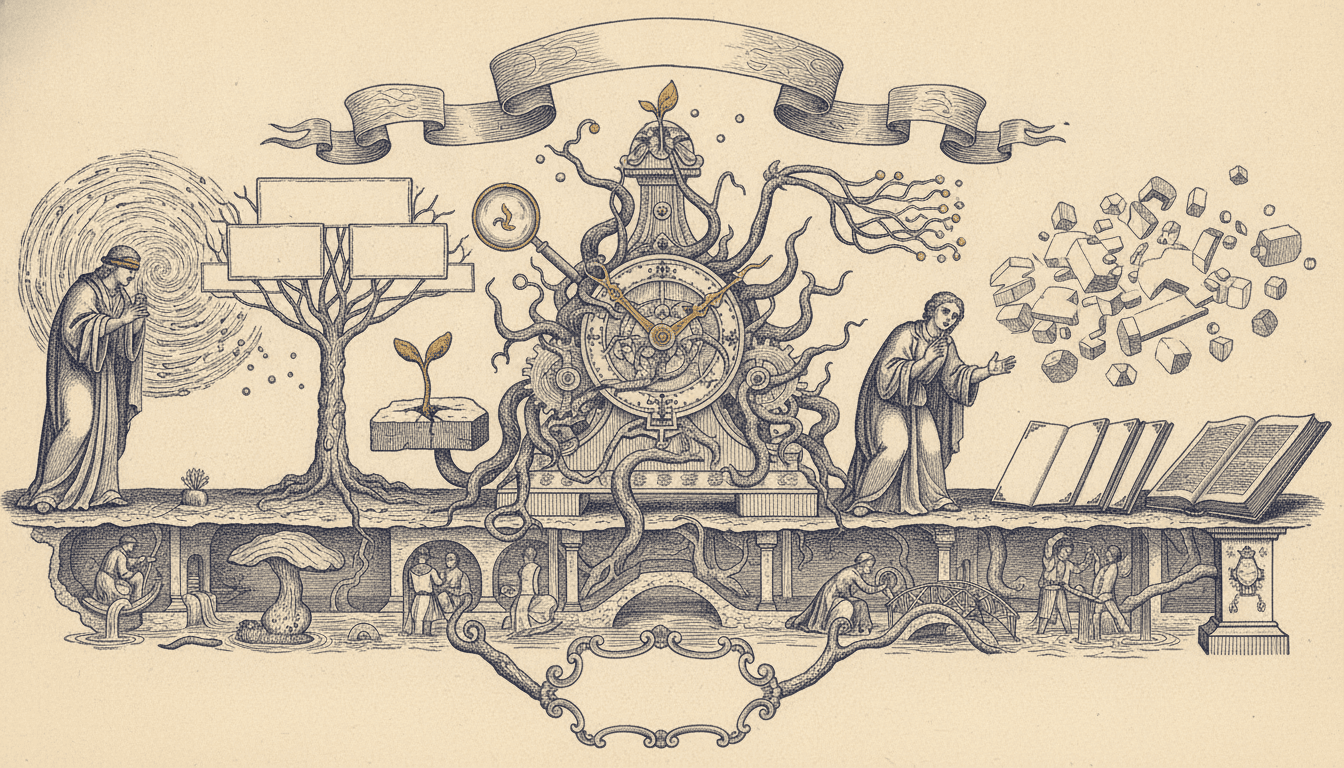
Paulo Freire, a Brazilian educator exiled after the 1964 military coup, wrote this book in the late 1960s out of his work teaching peasants to read in Brazil and Chile. Its most famous idea is the "banking" model of education, in which teachers deposit knowledge into passive students, and its alternative: education as dialogue, in which learners and teachers examine their own reality together and come to see how they might change it.
It's one of the most cited books in the social sciences and the founding text of critical pedagogy. It's also openly revolutionary — the final chapter is about political leadership and revolution — and written in an abstract, Marxist register that many readers find heavy going. It was banned under several dictatorships, and in 2010 it was caught up in Arizona's ban on ethnic studies.
Where to start
- Chapter 1
Oppression, dehumanization and why the oppressed can come to fear freedom.
- Chapter 2
The banking model of education and the alternative of problem-posing. The chapter most teachers read.
- Chapter 3
Dialogue in practice: how Freire's literacy method builds on learners' own words and world.
- Chapter 4
Revolutionary leadership. Often skipped, though some readers argue it holds the whole project together.
About Paulo Freire
Paulo Freire (1921–1997) was a Brazilian educator and philosopher and a founder of critical pedagogy. Exiled after Brazil's 1964 military coup, he worked in Chile and later taught at Harvard before returning home.
Everything by Paulo Freire