book
Nexus
First published 2024544 pages
How information networks shape human history — from stone-age myths to AI algorithms.
Why it’s worth your time
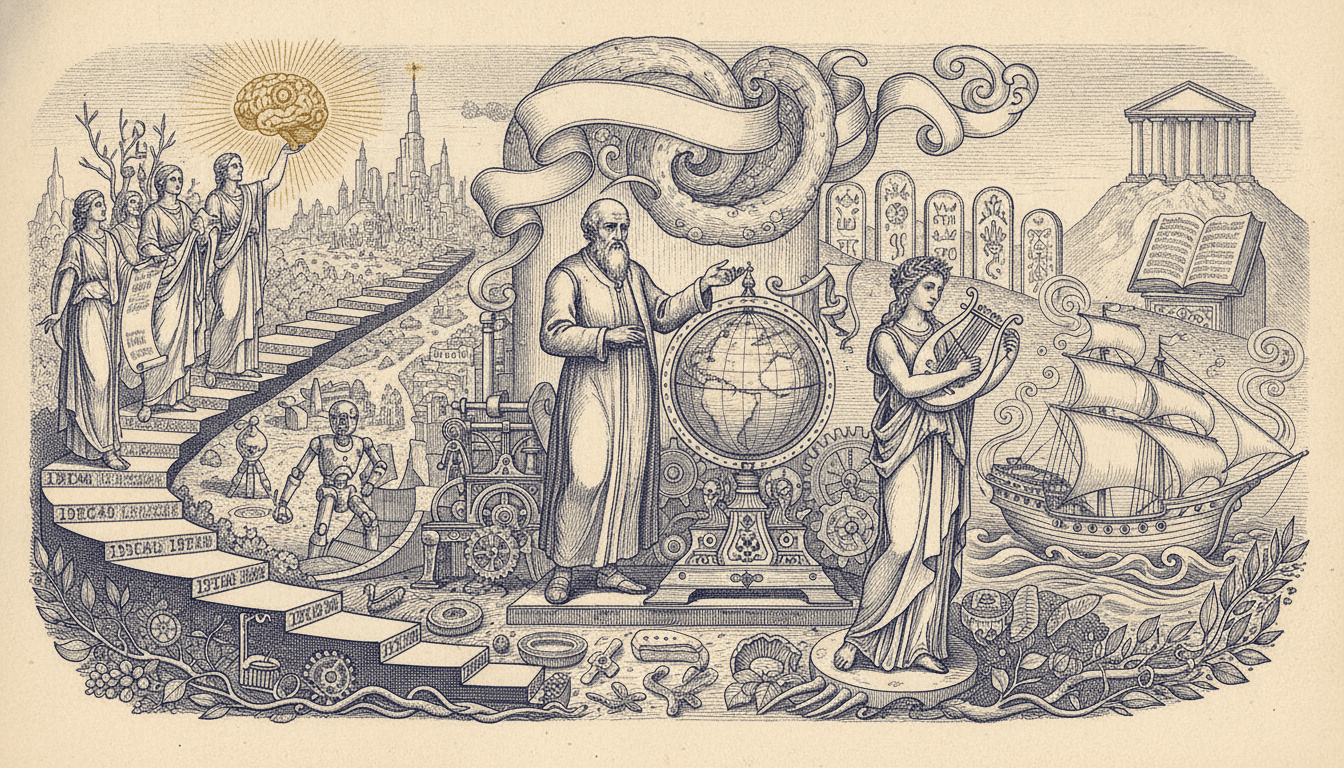
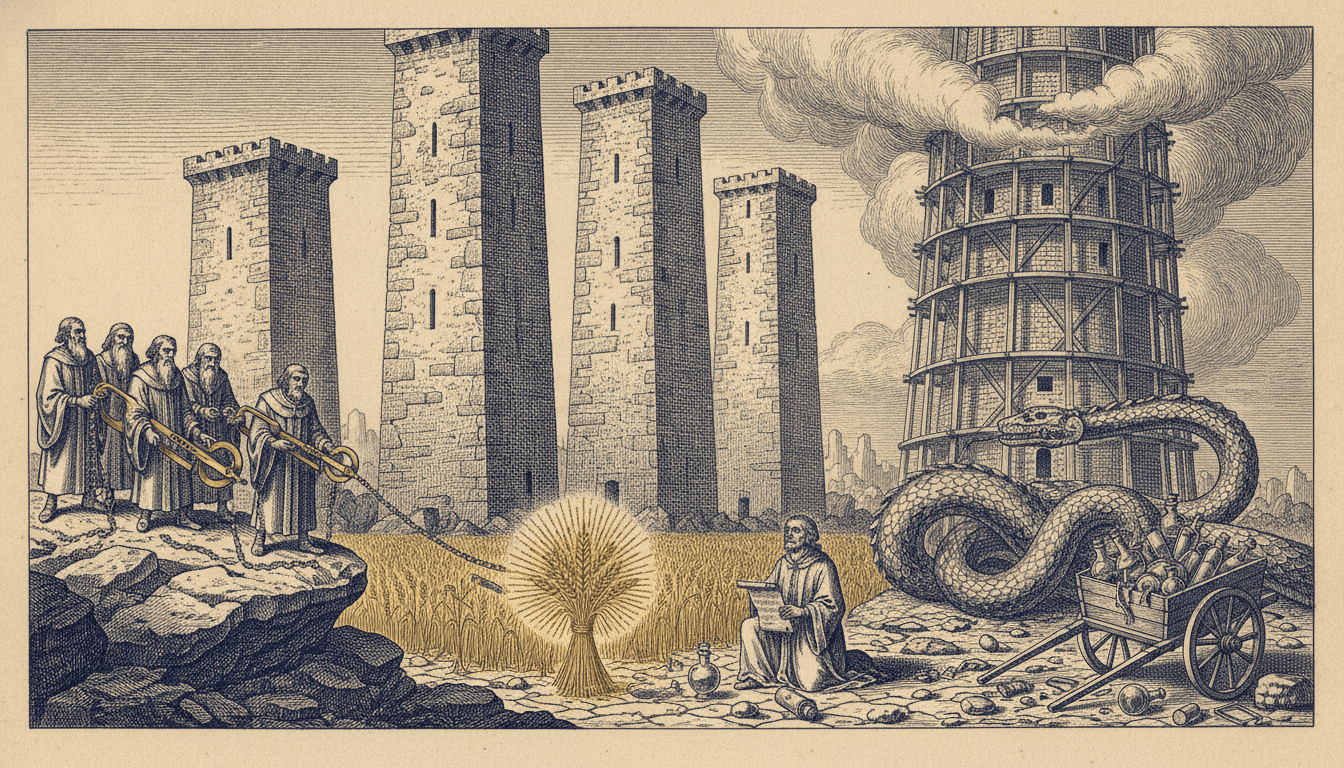
Yuval Noah Harari's 2024 book is a history of information networks, from myths and bureaucracies to newspapers and algorithms, built to support a warning about AI. Its central argument is that more information doesn't automatically produce more truth; what matters is whether a network has strong self-correcting mechanisms, as science and democracy do and totalitarian regimes do not. AI, he argues, threatens those mechanisms in new ways.
It's Harari at his most urgent and most sweeping, with vivid examples, from witch hunts to an AI model that tricked a human into solving a captcha for it. Reviewers praised its critique of AI's power to manipulate but noted blind spots, such as how little it says about capitalism, and some experts dispute his views on information and truth. As always with Harari, enjoy the ideas and check the claims.
Where to start
- The opening chapters on stories as information
Why the first great information technology was the story, true or not.
- The chapters on self-correcting mechanisms
Science and democracy versus systems that can't admit error. The book's core idea.
- The chapters on AI
Harari's warning about what happens when algorithms join, and reshape, our networks.
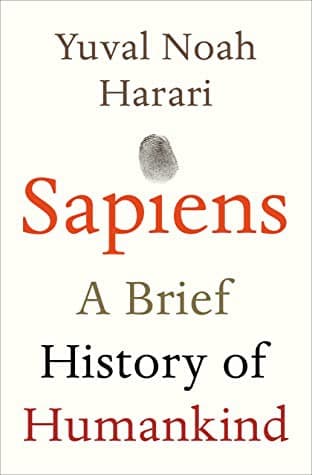
- Sapiens
The book that made Harari's name, on the shared fictions that power human cooperation.
About Yuval Noah Harari
Yuval Noah Harari is an Israeli historian and professor at the Hebrew University of Jerusalem. After Sapiens he wrote the bestsellers Homo Deus (2016), 21 Lessons for the 21st Century (2018) and Nexus (2024).
Everything by Yuval Noah Harari