book
Manufacturing Consent
by Noam Chomsky & Edward S. Herman
First published 1988412 pages
How mass media functions as propaganda for dominant institutional interests.
Why it’s worth your time
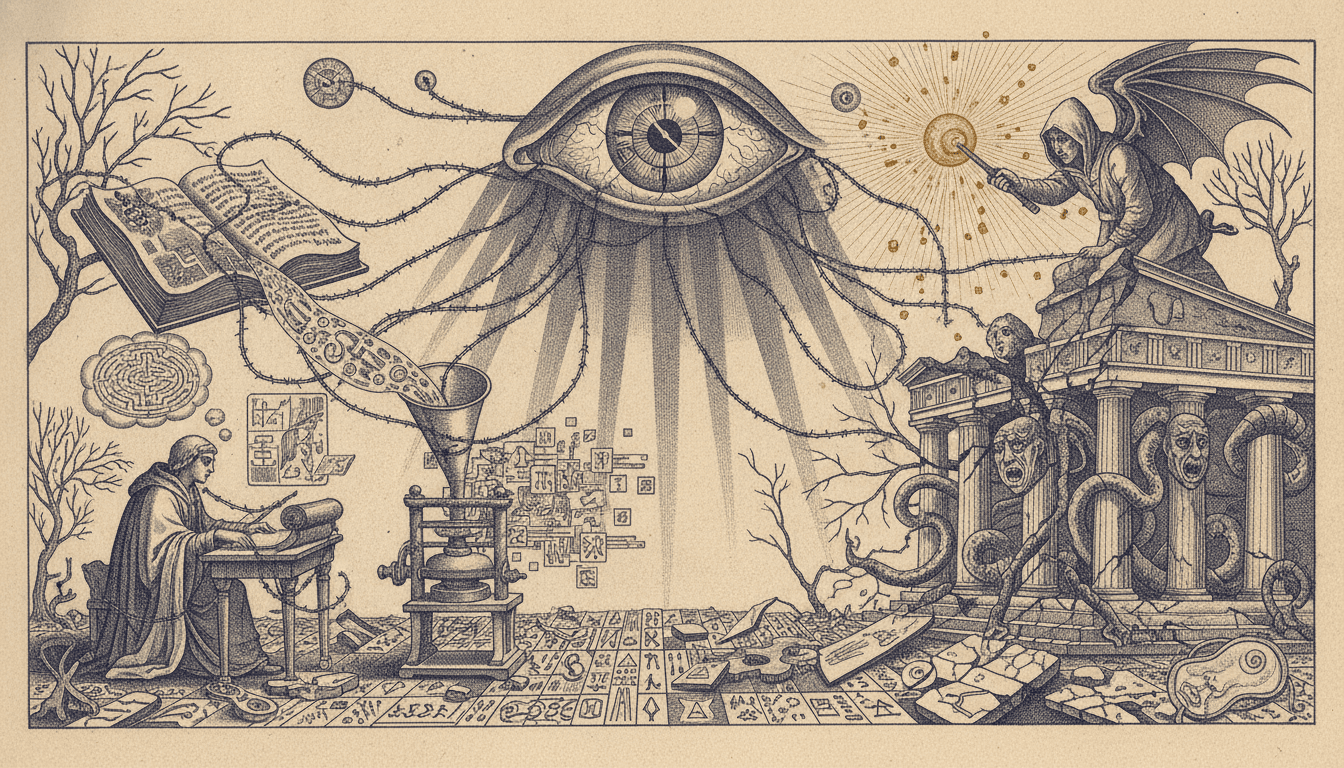
Edward Herman and Noam Chomsky's 1988 book proposes a "propaganda model" of the American news media: without any conspiracy or censorship, five filters — corporate ownership, dependence on advertisers, reliance on official sources, organized "flak" against unwelcome stories, and anticommunism — shape what becomes news. The book tests the model against case studies, comparing coverage of "worthy" and "unworthy" victims and of elections in El Salvador and Nicaragua.
It's the most influential left critique of the press, and the filters are still useful even if you reject the conclusions. Know that most of the book is Herman's, by Chomsky's own account; that the case studies are drawn from Cold War Central America and Indochina; and that the 2002 edition updates the model for the post-Soviet world. Critics argue it underrates how often mainstream journalism does challenge power.
Where to start
- Chapter 1: A Propaganda Model
The five filters, explained. Read this even if you read nothing else.
- Chapter 2: Worthy and Unworthy Victims
Comparing coverage of a murdered Polish priest with priests killed by US allies in Latin America — the model's most striking test.
- Chapter 3: Legitimizing versus Meaningless Third World Elections
How elections in El Salvador, Guatemala and Nicaragua were covered.
About Noam Chomsky & Edward S. Herman
Noam Chomsky is an American linguist, philosopher and political critic, often called the father of modern linguistics, who taught for decades at MIT. Edward S. Herman (1925–2017) was an economist and media critic at the University of Pennsylvania's Wharton School, who developed the propaganda model with Chomsky and was criticized for downplaying genocide death tolls in some of his later writing.
Everything by Noam Chomsky & Edward S. Herman