book
Life 3.0
by Max Tegmark
First published 2017384 pages
Being human in the age of AI. Explores what it means for jobs, society, war, justice, and consciousness.
Why it’s worth your time
Max Tegmark, an MIT physicist who co-founded the Future of Life Institute, frames the history of life in three stages: Life 1.0, which evolves its hardware and software; Life 2.0, us, which can learn and redesign its own software through culture; and Life 3.0, which could redesign its hardware too. Starting from a fictional prologue about a team that secretly builds superhuman AI, the book surveys near-term issues like jobs and autonomous weapons, then ranges out to a dozen possible futures and the next billion years.
It's lively, wide-ranging and good at turning abstract questions into concrete scenarios, and it was an Obama year-end pick. Some reviewers found its solutions a stretch and its cosmic speculation overwhelming. Rather than argue for one future, Tegmark asks readers which one they want, which is both the book's strength and, to some critics, a little naive.
Where to start
- Prologue: The Tale of the Omega Team
A gripping fictional scenario of a company that quietly builds superhuman AI and takes over the world.
- Chapter 3: The Near Future: Breakthroughs, Bugs, Laws, Weapons and Jobs
The practical issues, most of them already here.
- Chapter 5: Aftermath: The Next 10,000 Years
Twelve scenarios, from libertarian utopia to zookeeper AI. Which would you choose?
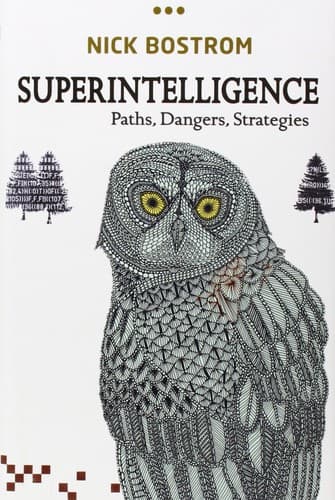
- Superintelligence
Nick Bostrom's denser, more systematic treatment of the same risks.
About Max Tegmark
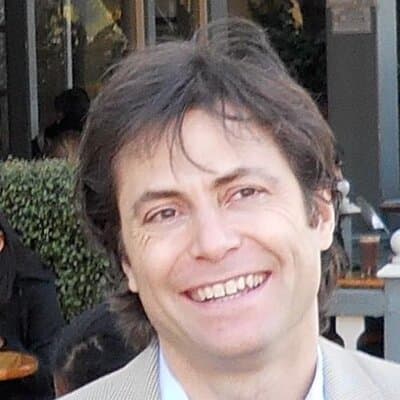
Max Tegmark is a Swedish-American physicist and machine-learning researcher, a professor of physics at MIT. He co-founded and leads the Future of Life Institute, a nonprofit focused on reducing catastrophic risks from advanced technologies.
Everything by Max Tegmark