book
The Master Algorithm
First published 2015352 pages
Five tribes of machine learning and the quest for the one algorithm that can learn everything.
Why it’s worth your time
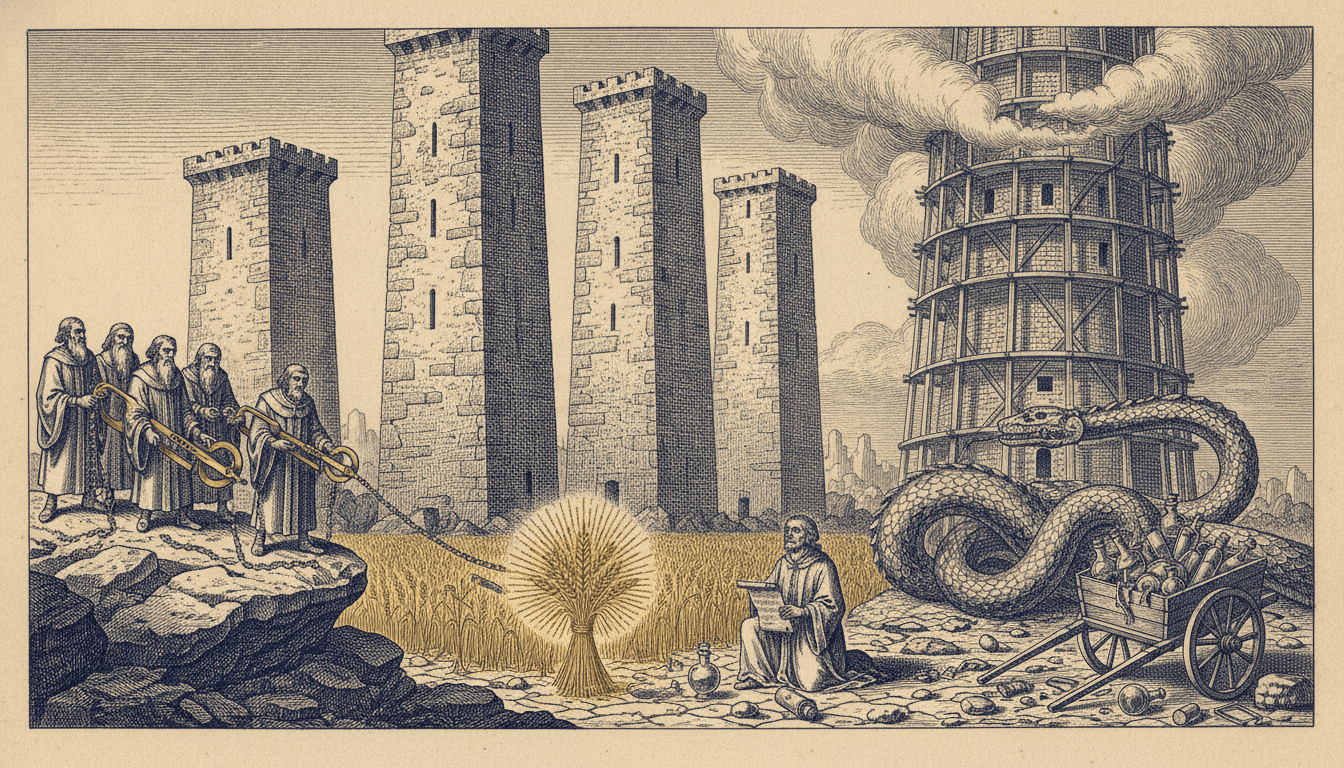
Pedro Domingos, a machine-learning researcher at the University of Washington, divides his field into five "tribes," each with its own master idea: symbolists (logic), connectionists (neural networks), evolutionaries (genetic algorithms), Bayesians (probability) and analogizers (reasoning by similarity). He argues that a single "master algorithm" combining them could learn anything from data, and sketches his own candidate.
It's a useful map of machine learning as it stood in 2015, written for general readers. Reviewers found it compelling but unquestioning, and full of metaphors that sometimes confuse more than they explain. Since then, one tribe — the connectionists, with deep learning — has dominated in a way the book didn't anticipate.
Where to start
- The opening chapters on the machine-learning revolution
What learning algorithms do and why they matter.
- The five chapters on the five tribes
The book's core: each approach explained through its intuition.
- The Alignment Problem
A more recent, more human-centered account of machine learning.
About Pedro Domingos
Pedro Domingos is a professor emeritus of computer science and engineering at the University of Washington and a machine-learning researcher known for Markov logic networks. He wrote The Master Algorithm (2015).
Everything by Pedro Domingos