book
The Great Transformation
by Karl Polanyi
First published 1944315 pages
How the market economy was made, not found — the political origins of our economic world.
Why it’s worth your time
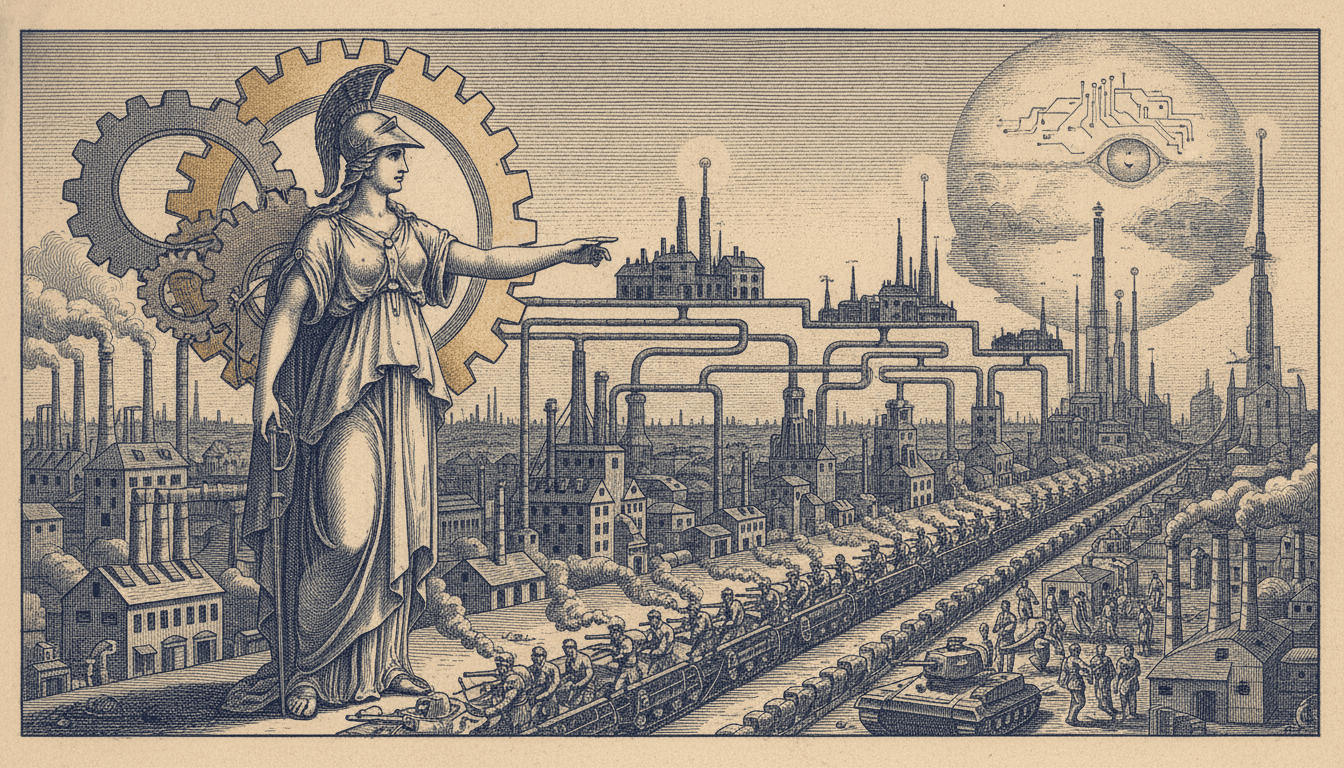
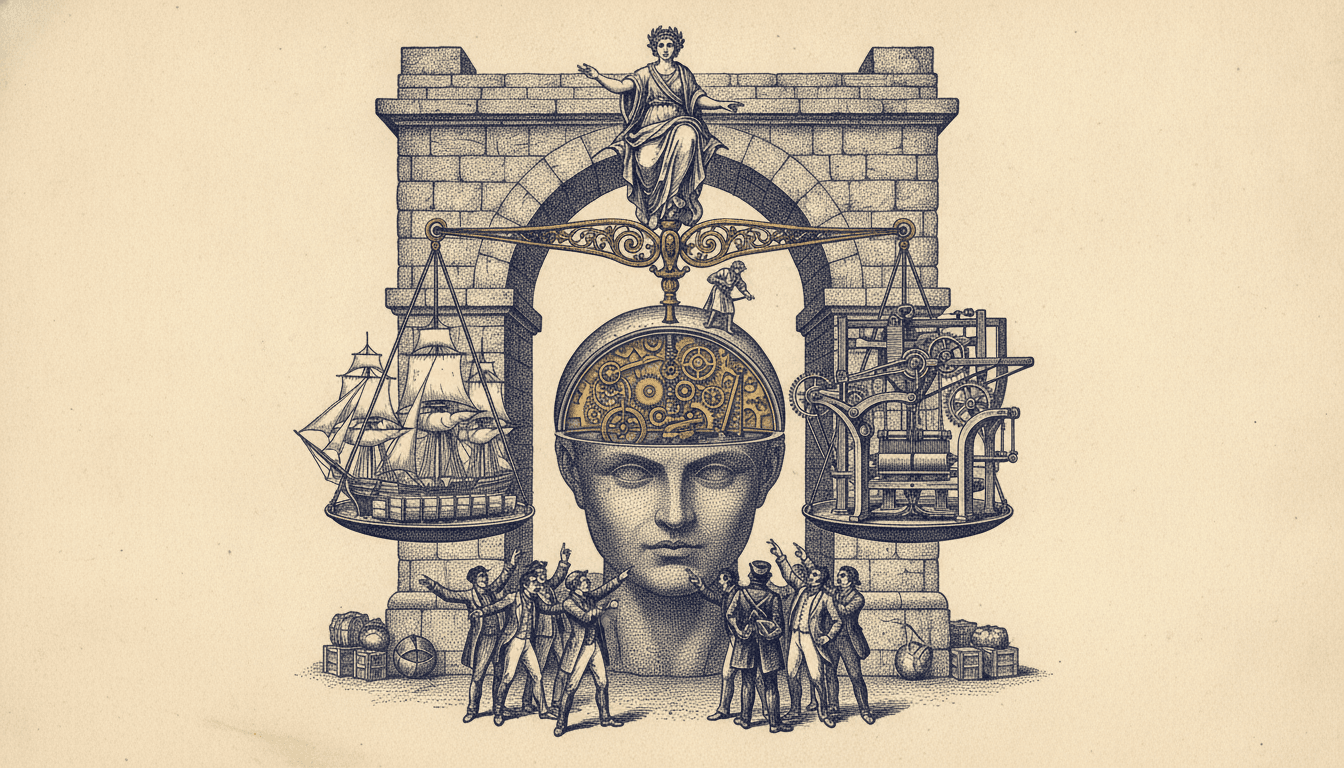
Karl Polanyi, a Hungarian economic historian writing in exile during the Second World War, argues that the self-regulating market economy of the nineteenth century was not natural but a political creation, imposed by the state. Treating land, labor and money as commodities to be bought and sold, he says, tore apart society, which fought back with protections — what he called the "double movement." The collapse of that liberal order, and the gold standard with it, led to fascism and the world war.
Published in 1944, the same year as Hayek's The Road to Serfdom, it's the great opposite pole to Hayek's argument, and it has had a long second life among economic sociologists and critics of globalization. Some of its history has been challenged by later scholars, and it's dense in places. Its core idea — that markets are embedded in society, not the other way around — is enormously influential.
Where to start
- Chapter 1: The Hundred Years' Peace
How the balance of power and the gold standard kept the nineteenth-century peace, and why that system collapsed.
- Chapter 6: The Self-regulating Market and the Fictitious Commodities: Labor, Land, and Money
The book's central argument in one chapter.
- Chapter 7: Speenhamland, 1795
Polanyi's famous, and contested, case study of a poor law that tried to resist the labor market.
- The Road to Serfdom
Hayek's opposite case, published the same year.
About Karl Polanyi
Karl Polanyi (1886–1964) was a Hungarian-born economic historian and sociologist who left Hungary in 1919 and later worked in Britain and North America. His The Great Transformation (1944) introduced the idea of the "double movement" between markets and society.
Everything by Karl Polanyi