book
Atlas of AI
First published 2021288 pages
The hidden infrastructure behind AI — from lithium mines to exploited data workers. Power, politics, and planetary costs.
Why it’s worth your time
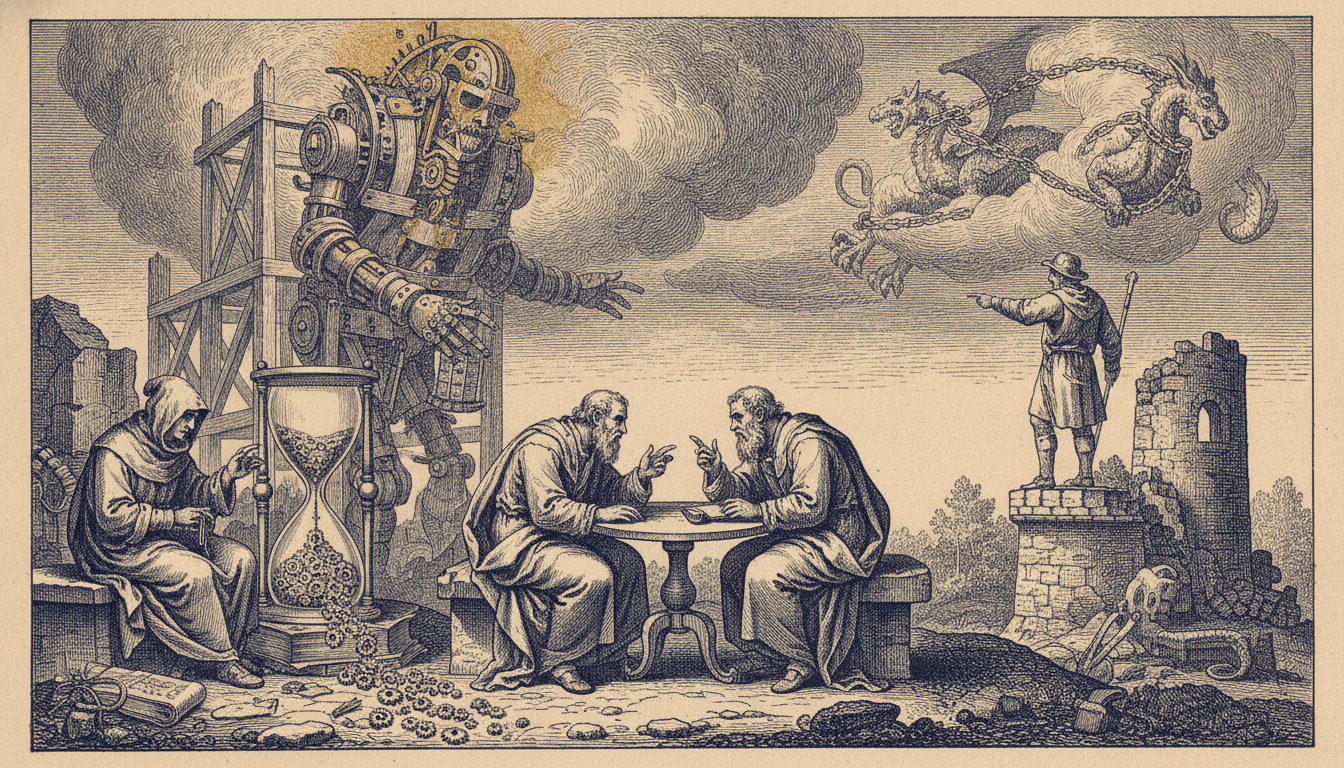
Kate Crawford, a researcher at Microsoft Research and co-founder of the AI Now Institute, argues that AI is neither artificial nor intelligent: it's built from minerals, energy, underpaid human labor and data taken without consent, and it serves the interests of those who build it. Each chapter maps one layer — lithium mines, warehouse and crowd workers, training data, classification, emotion recognition and state surveillance.
It's a necessary corrective to talk of AI as disembodied magic, and reviewers praised its account of labor, environmental costs and dubious claims about reading emotions. It's more critique than balance, and it says little about what AI can actually do. Read it alongside a technical book to see the whole picture.
Where to start
- Chapter 1: Earth
The mines and energy behind AI, starting at a lithium mine in Nevada.
- Chapter 2: Labor
Amazon warehouses, crowd workers and the human effort hidden inside "automation."
- Chapter 5: Affect
Why emotion-recognition systems rest on shaky science.
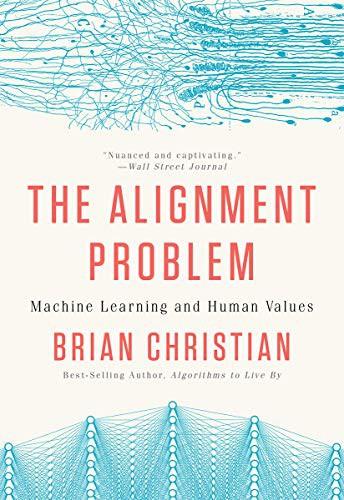
- The Alignment Problem
A more technical, less polemical book on many of the same harms.
About Kate Crawford
Kate Crawford is an Australian researcher who studies the social and political implications of AI. She is a principal researcher at Microsoft Research and co-founded the AI Now Institute at New York University.
Everything by Kate Crawford